

UK scientists help launch global seaweed conservation plan at COP31
The Seaweed Breakthrough sets targets for protecting wild habitats and raising money for restoration. Its organisers are still developing ways to measure progress.
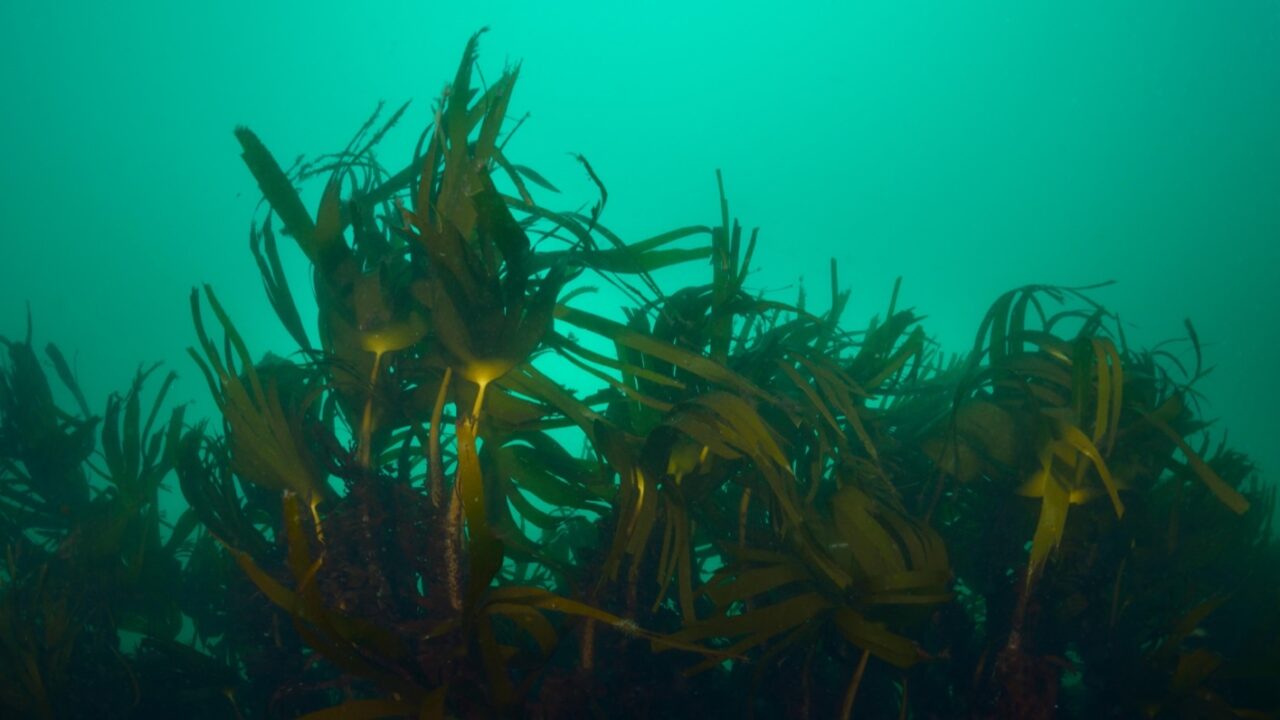
Scientists from the Natural History Museum and the Scottish Association for Marine Science helped launch a global plan to protect wild seaweed at COP31 on 14 November. The UK-led GlobalSeaweed programme presented the Seaweed Breakthrough at the Malaysia Pavilion in Antalya with partners including the University of Malaya.
The plan calls for a 70% reduction in habitat loss caused by human activity by 2030, measured against an established baseline. It also seeks at least US$17.5 billion in investment by 2030. Both figures are targets. The launch sets out what the organisers hope to achieve and how much investment they want to attract.
Wild seaweeds provide shelter and feeding grounds for marine life. They also hold genetic diversity that seaweed growers can draw on when developing strains suited to changing conditions. In Scotland, where kelp grows along the coast, the government’s blue carbon action plan identifies ocean warming, stronger storms and poor water quality among the pressures on kelp beds.
The initiative has proposed ways to track progress, but its headline indicators are still being developed. A useful test will be whether future reports distinguish the habitat that has legal protection from the habitat that is actually recovering and track how much money reaches conservation and restoration projects.
More from BroadKit · UK and Canada’s COP31 climate finance statement